
Fertig zum großen Osterfeuer in Volksdorf, wo ich morgen wieder einmal etliche tausend Bratwürste und hundert Kilo Pommes verputzen, ähh, verkaufen werde.
Fertig zum großen Osterfeuer in Volksdorf, wo ich morgen wieder einmal etliche tausend Bratwürste und hundert Kilo Pommes verputzen, ähh, verkaufen werde.
I like decentralized social media and I really like ActivityPub/Mastodon & co. But I have been running my blog since something around 2001 (b2evolution!) and I really do not feel like setting up a ruby server (pleroma is nice though). So it is very cool that you can convert your wordpress into a mastodon server, using the ActivityPub plugin to publish to the Fediverse, the Friends plugin to read and subscribe to ActivityPub content and the Enable Mastodon apps plugin, to post via a Mastodon App. Cool!
Almut hat sich Anfang dieses Jahres mit ihrer Musikschule selbständig gemacht! Sie ist jetzt unter https://almutspaeth.de/ zu finden und bietet online und offline Unterricht und Coaching für Musiker und Chöre an. Spannend und aufregend. Und kompliziert ein eigenes Business zu starten :-)! Toi Toi Toi!
Take a picture of letters
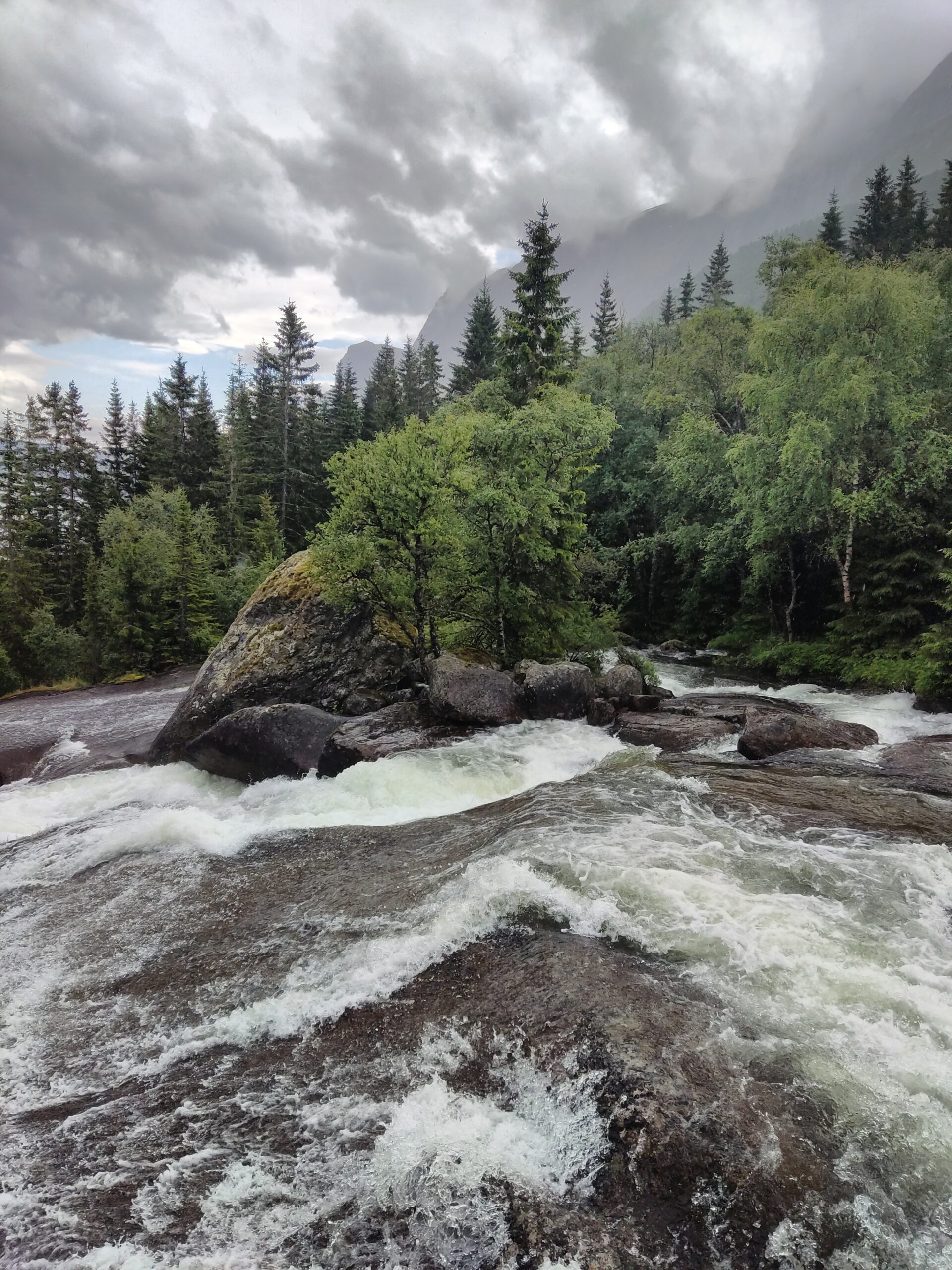
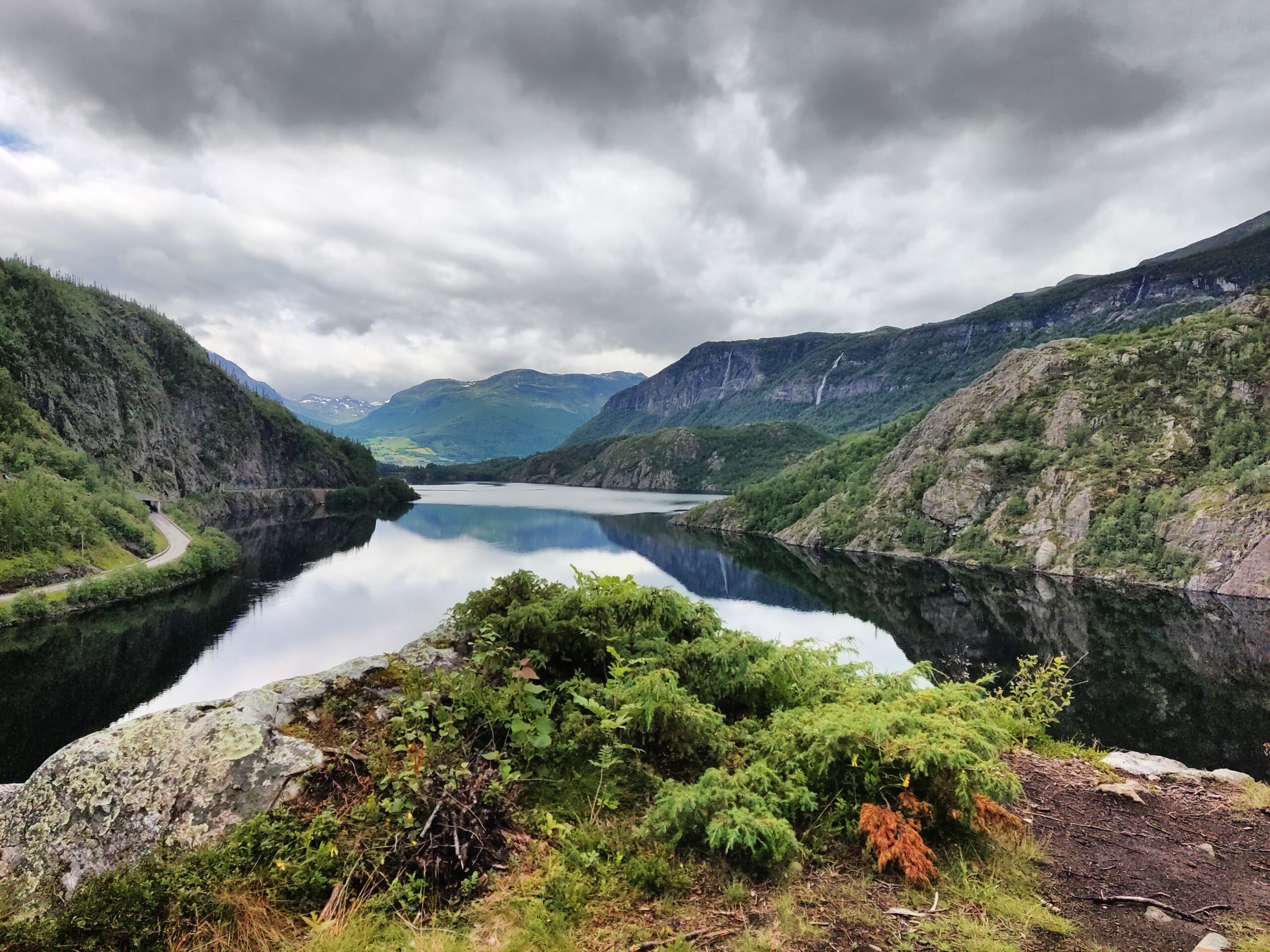
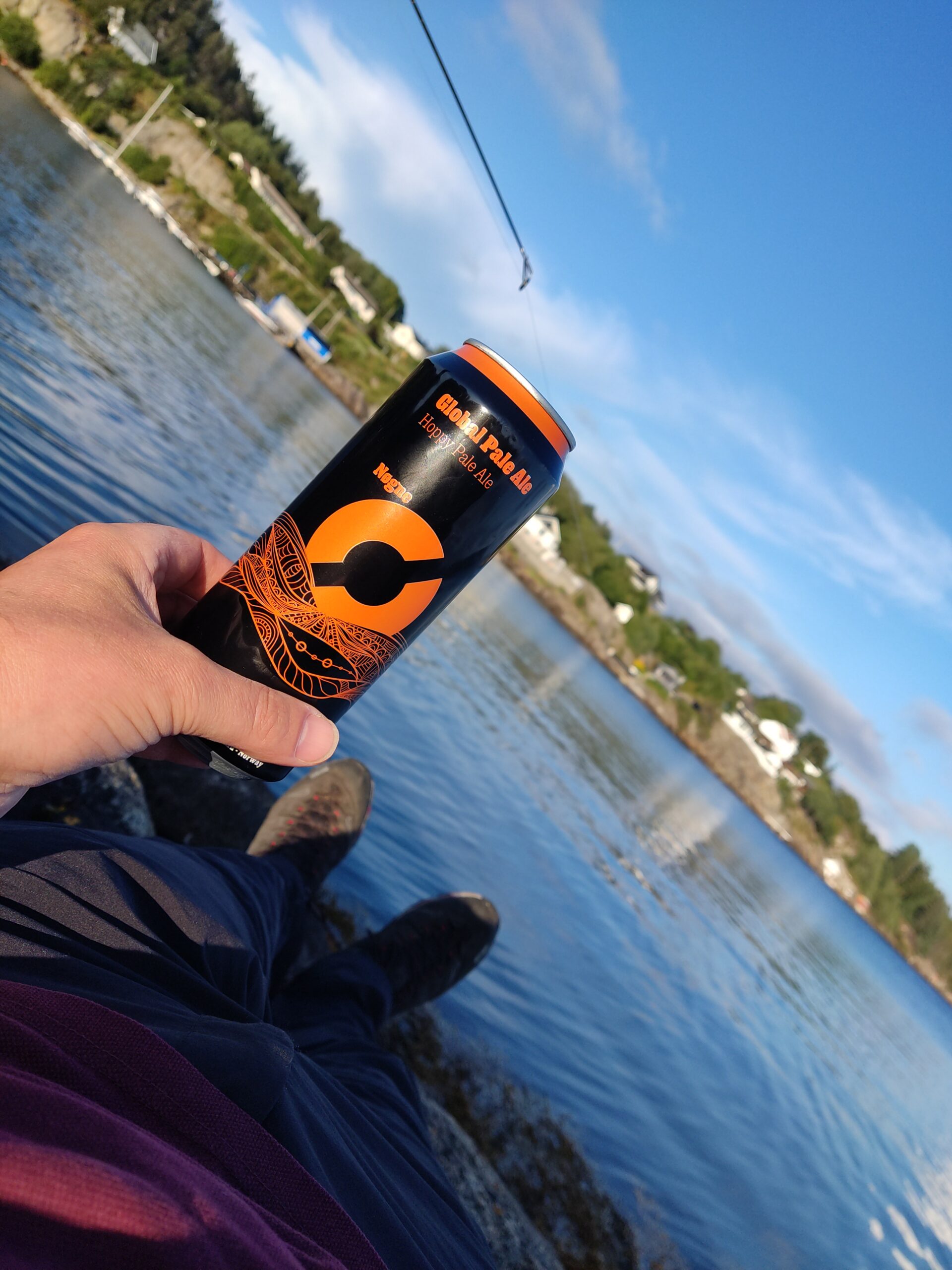
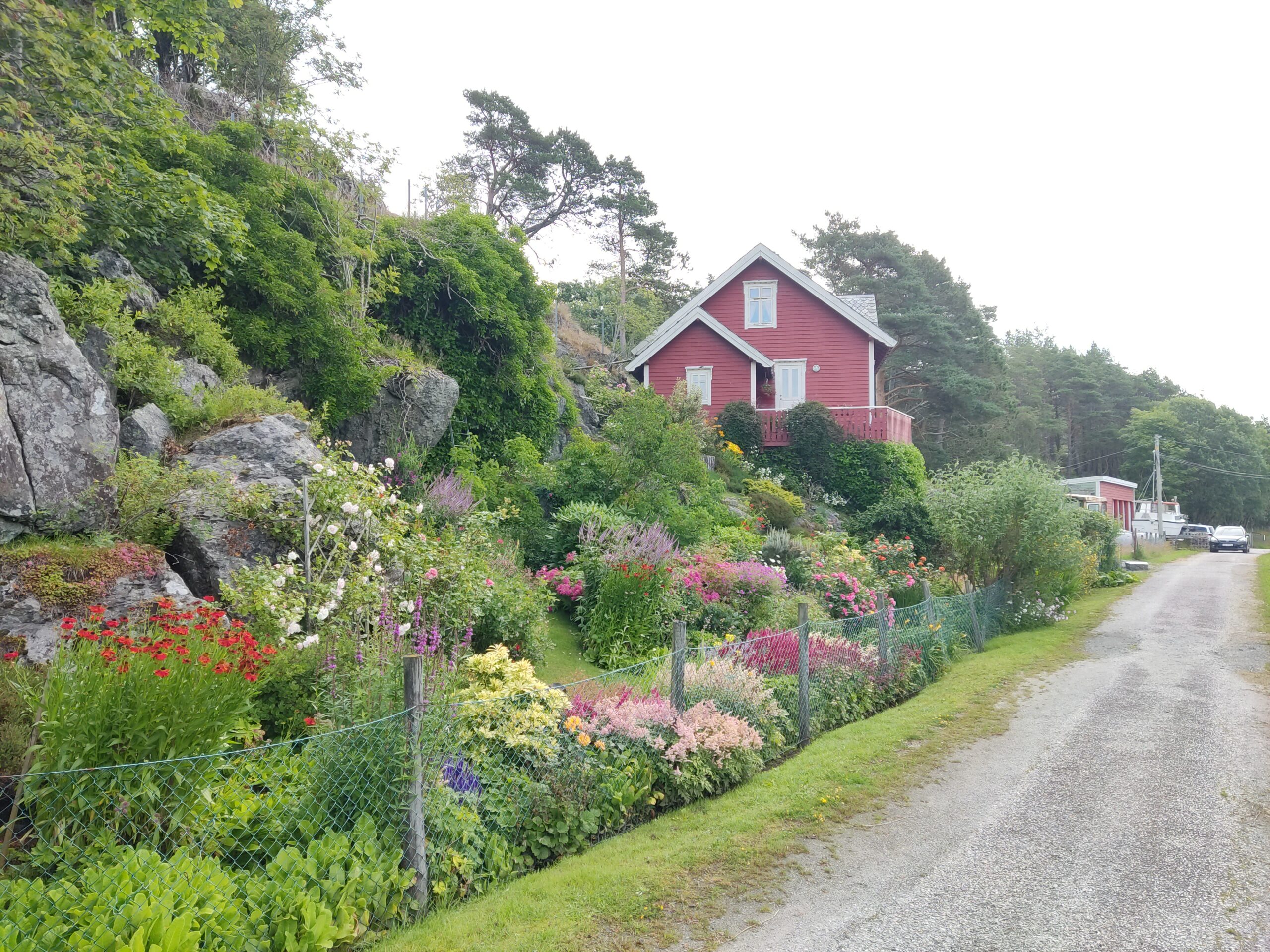
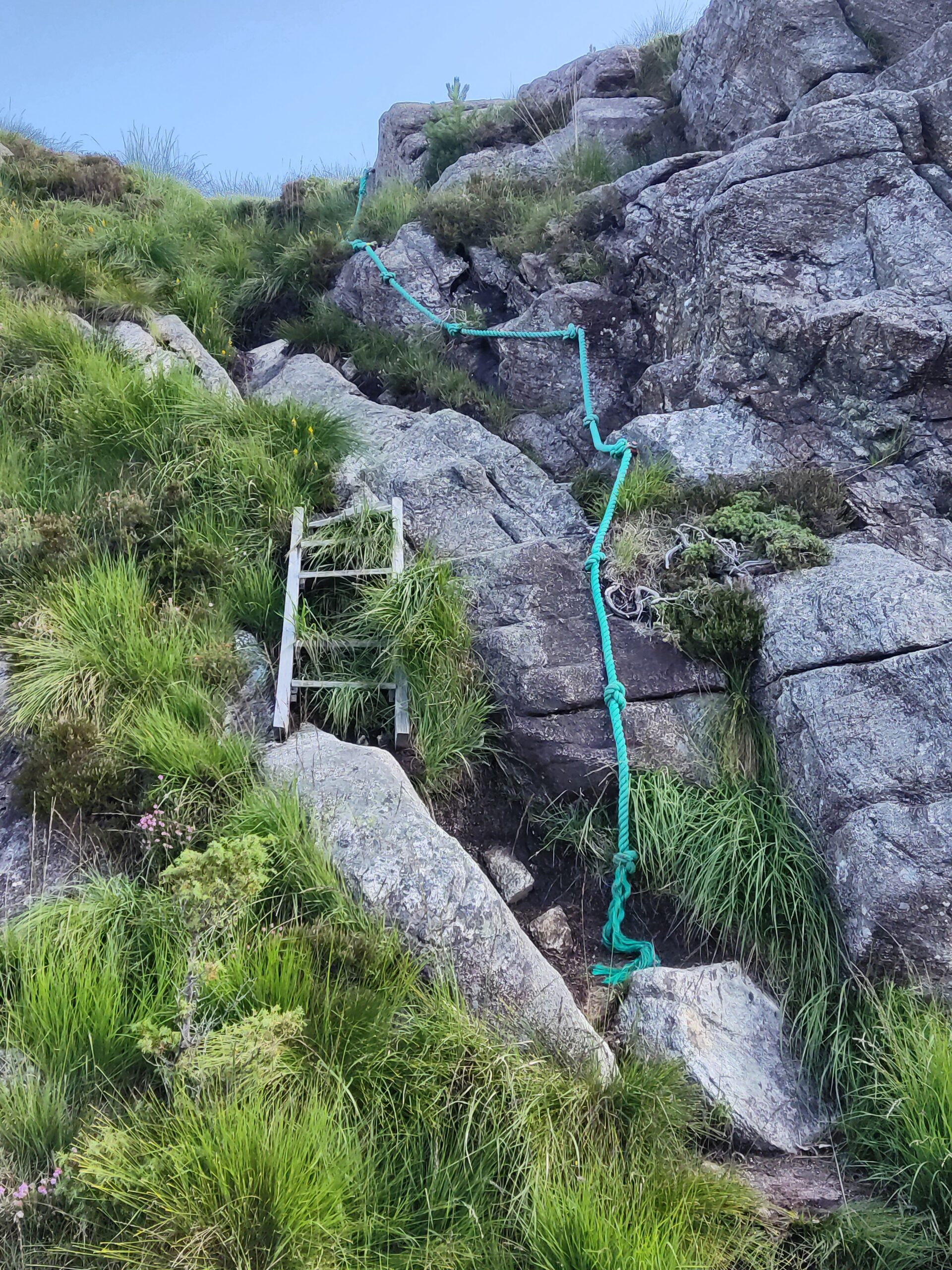
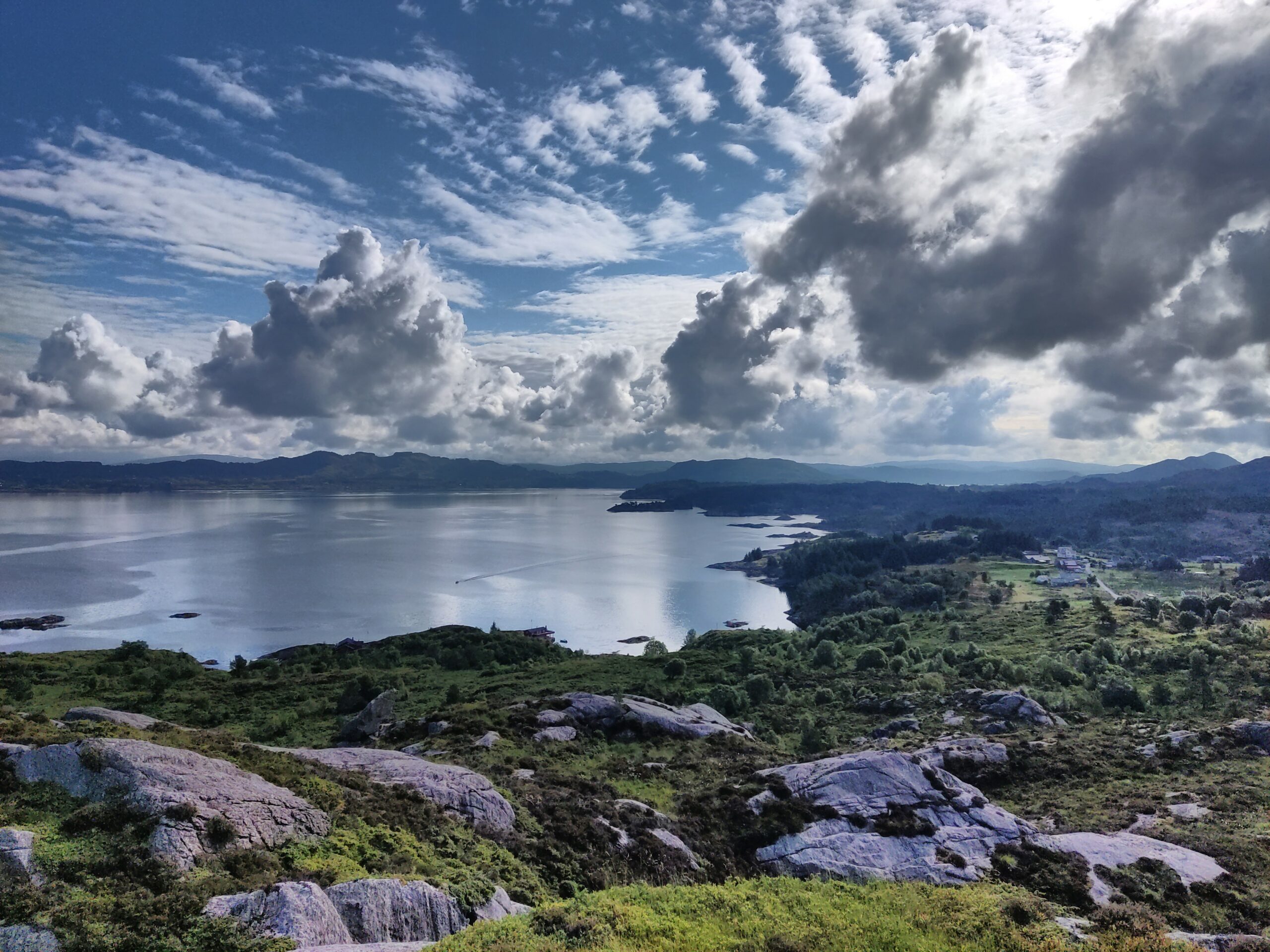
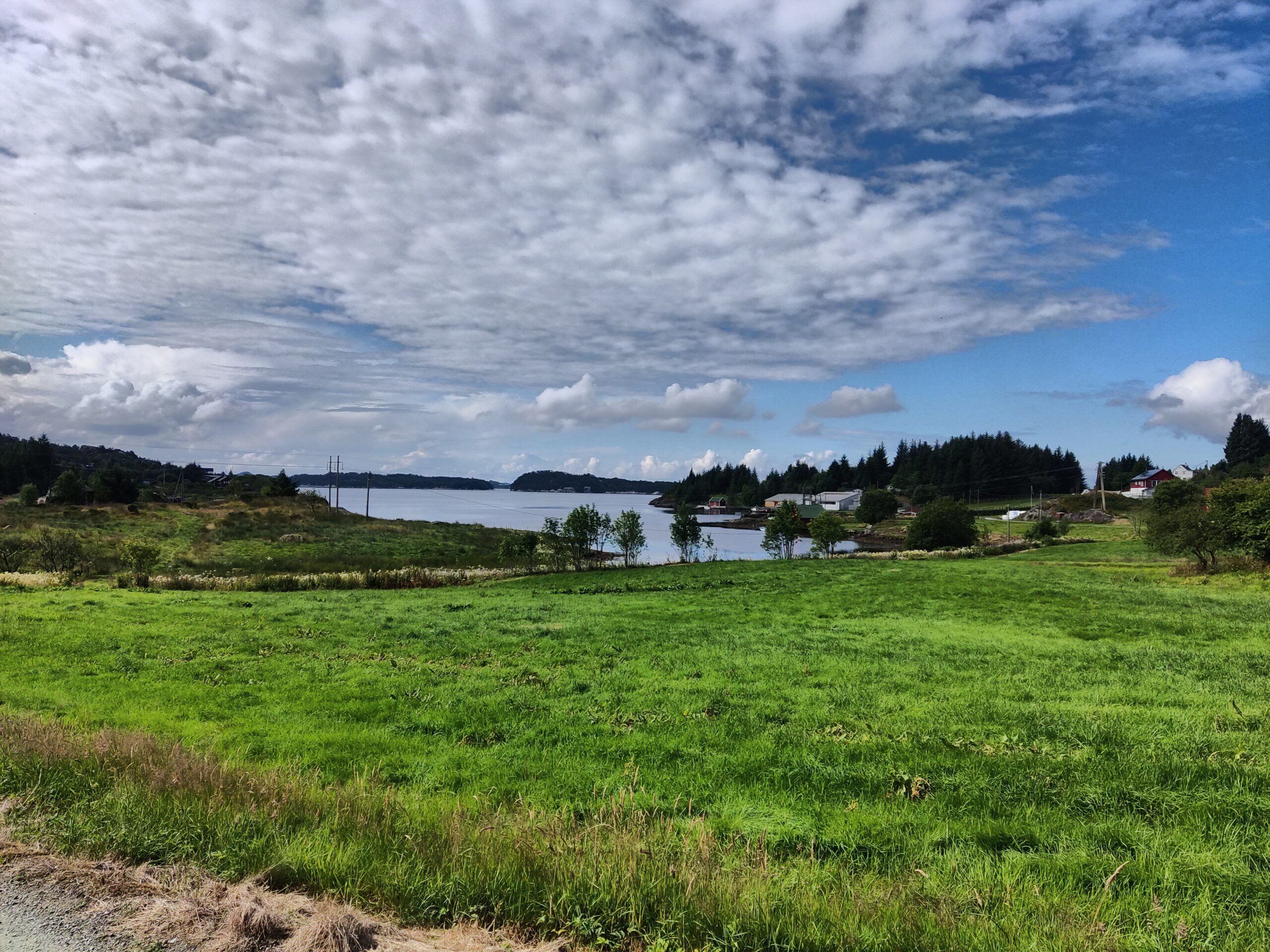
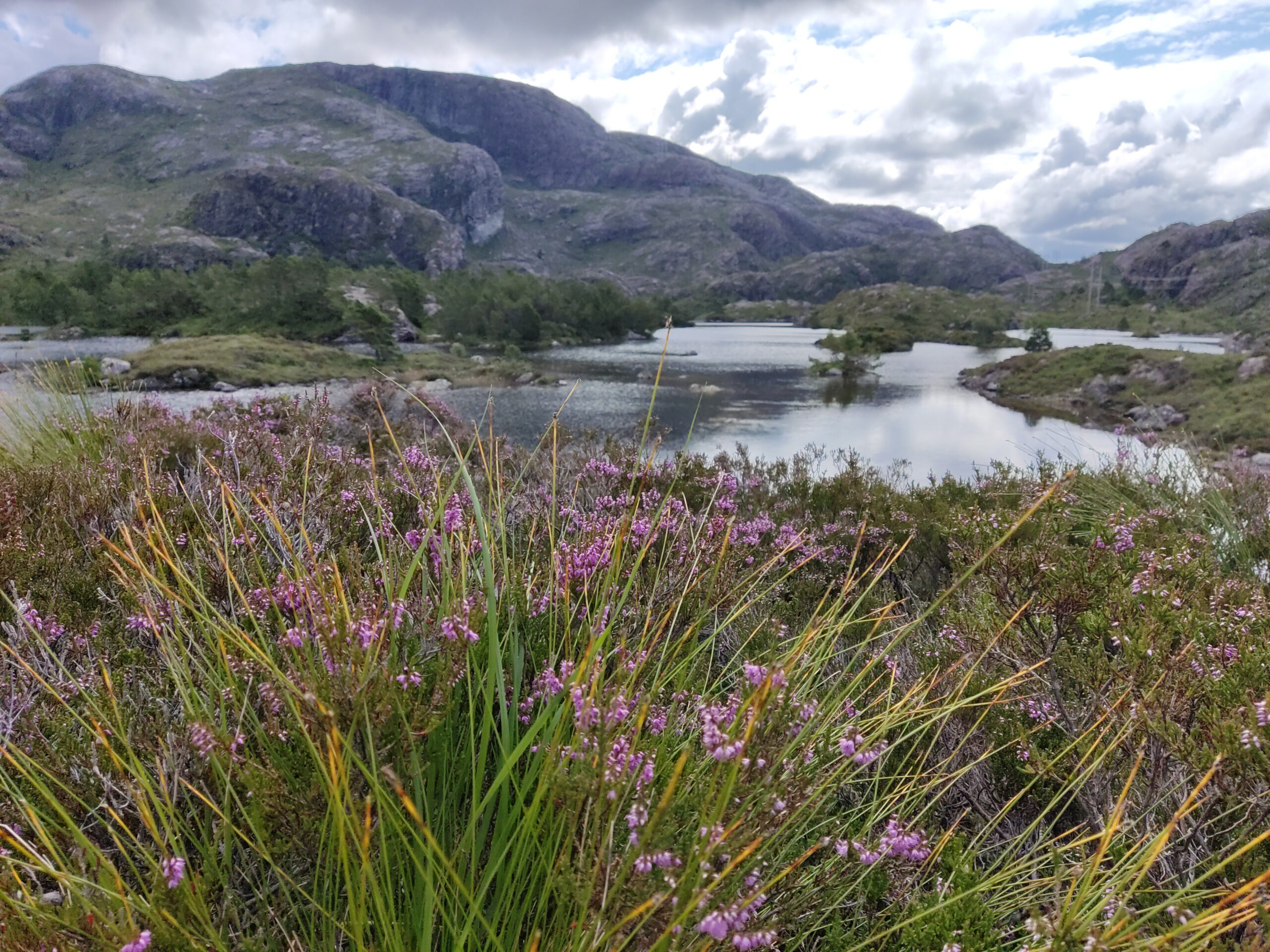
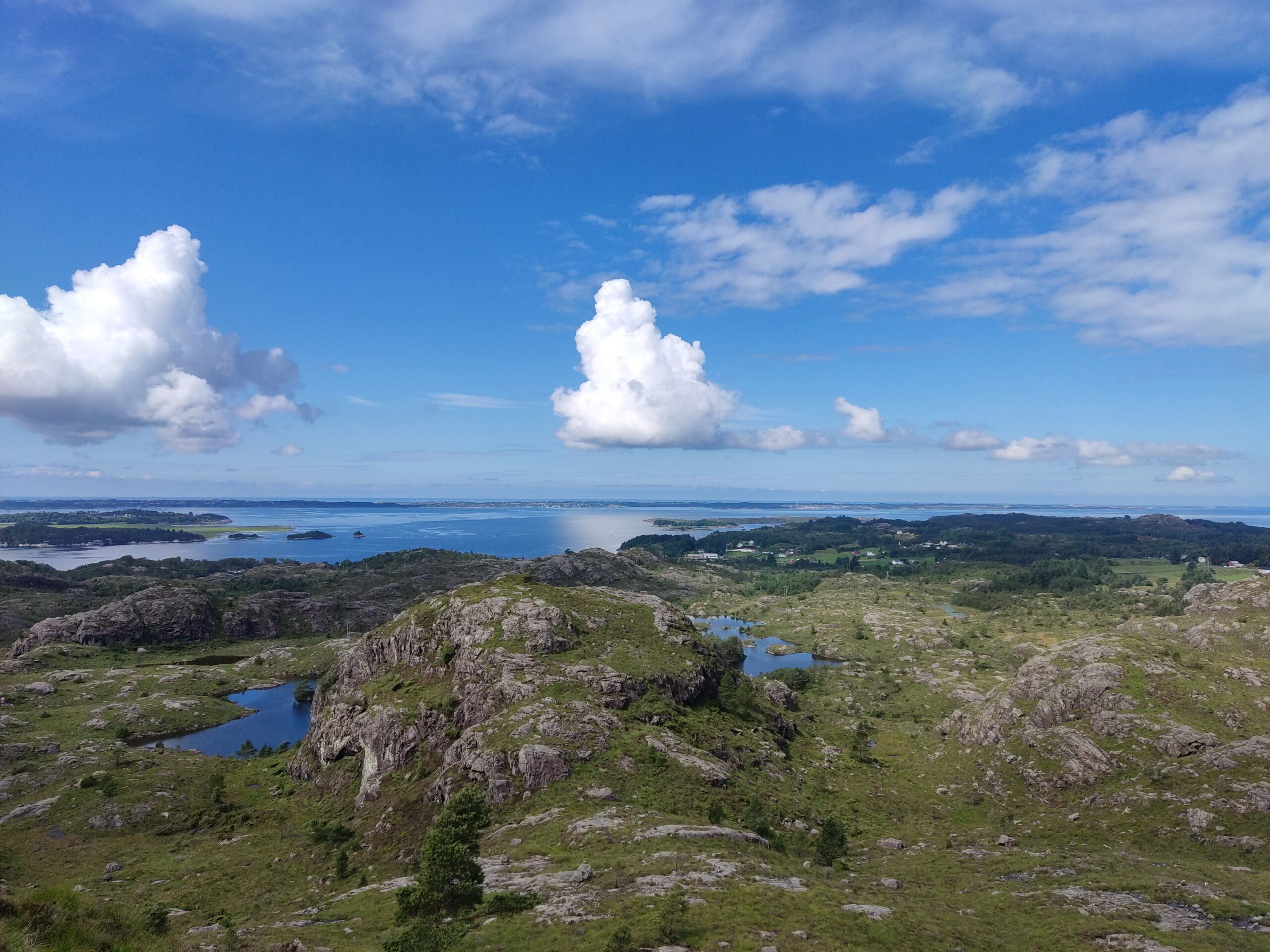
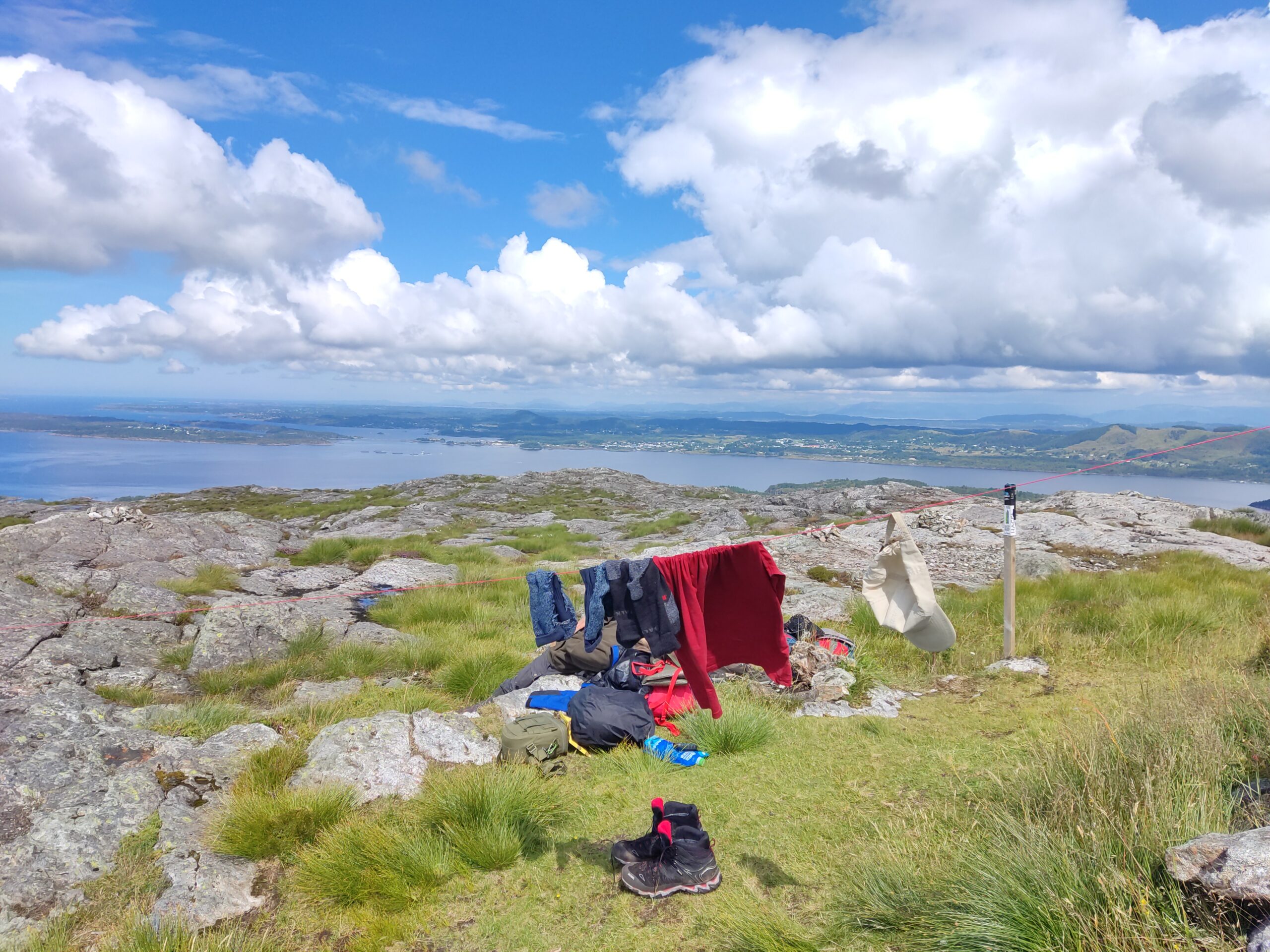
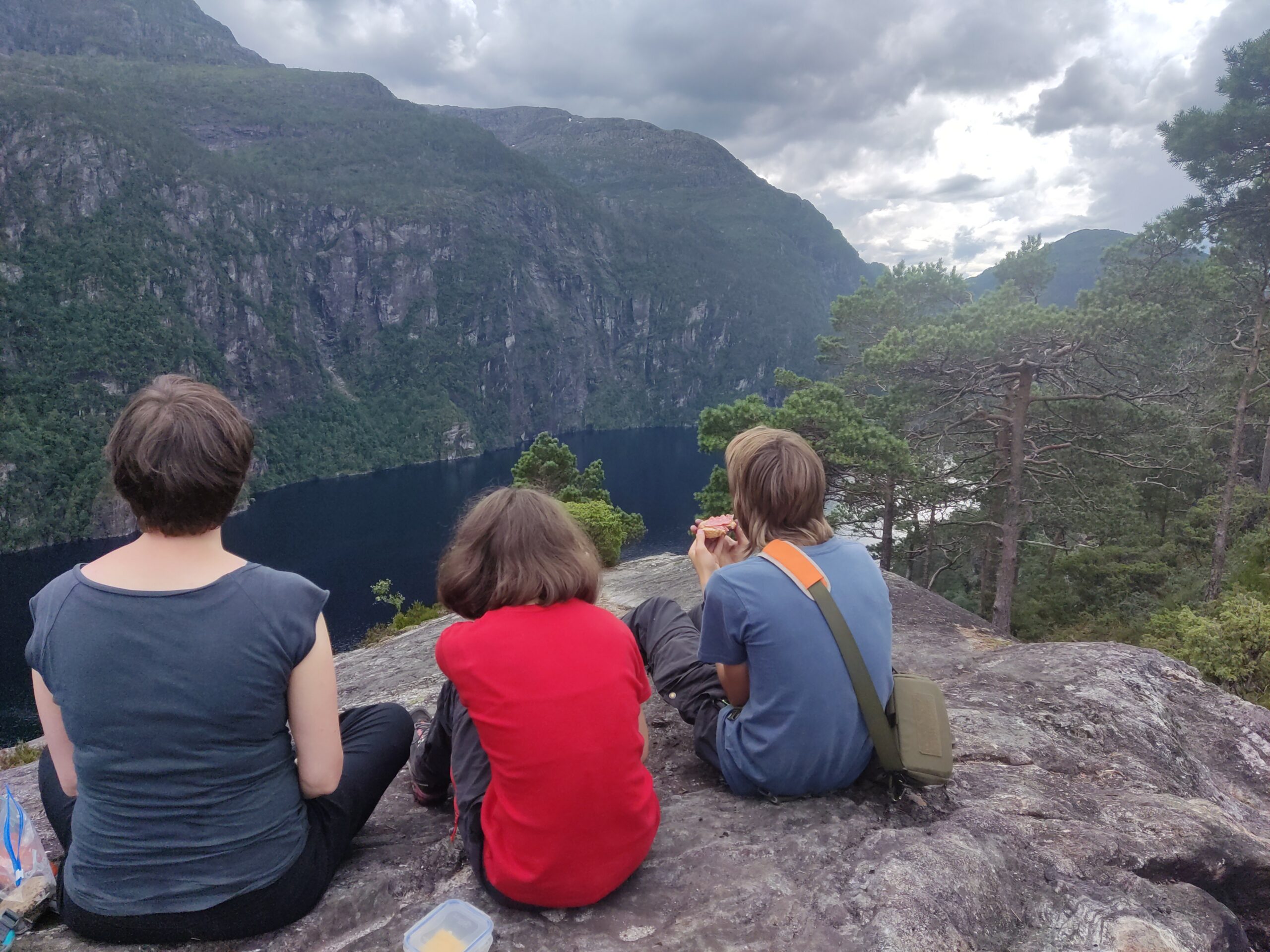
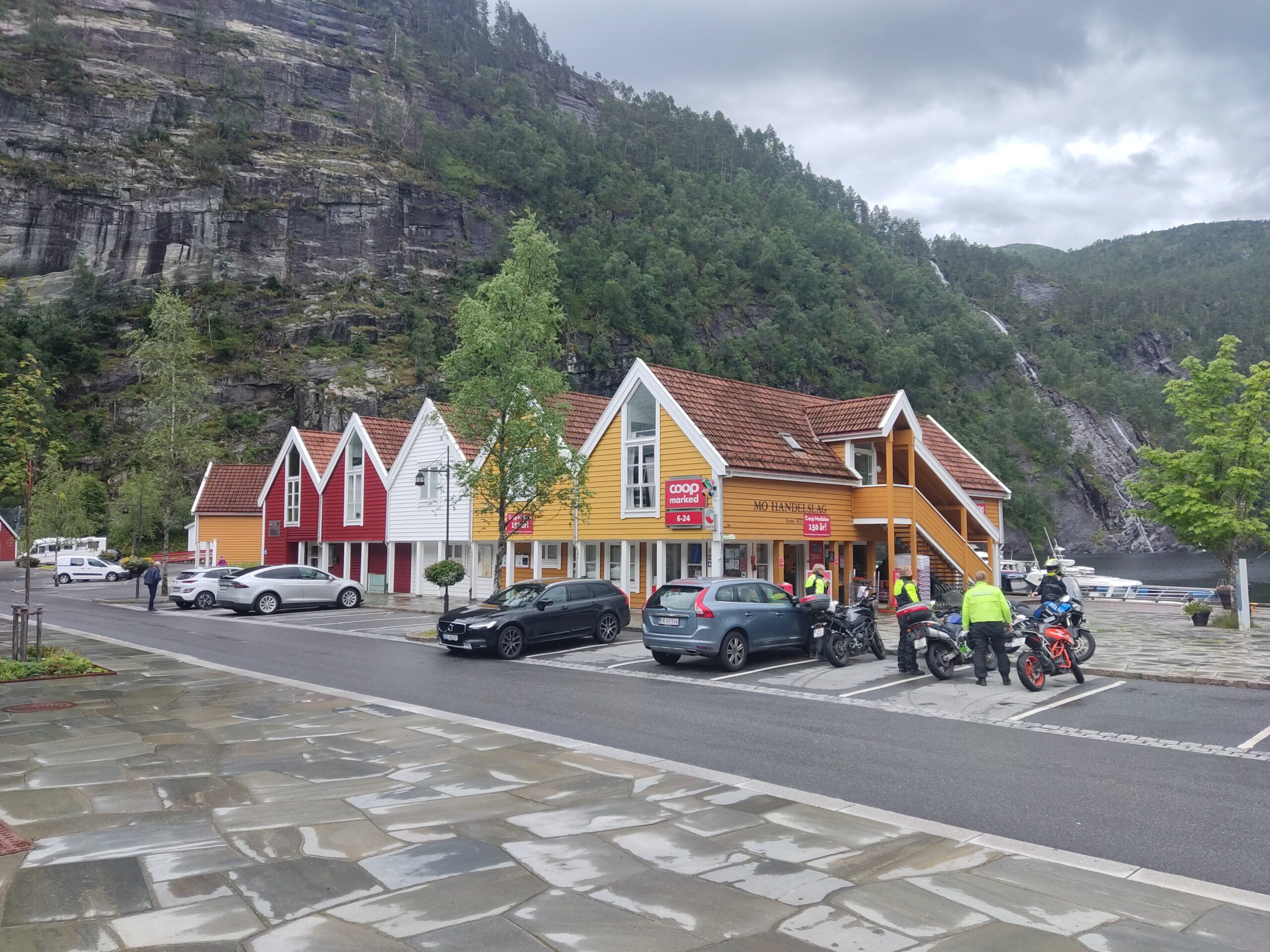
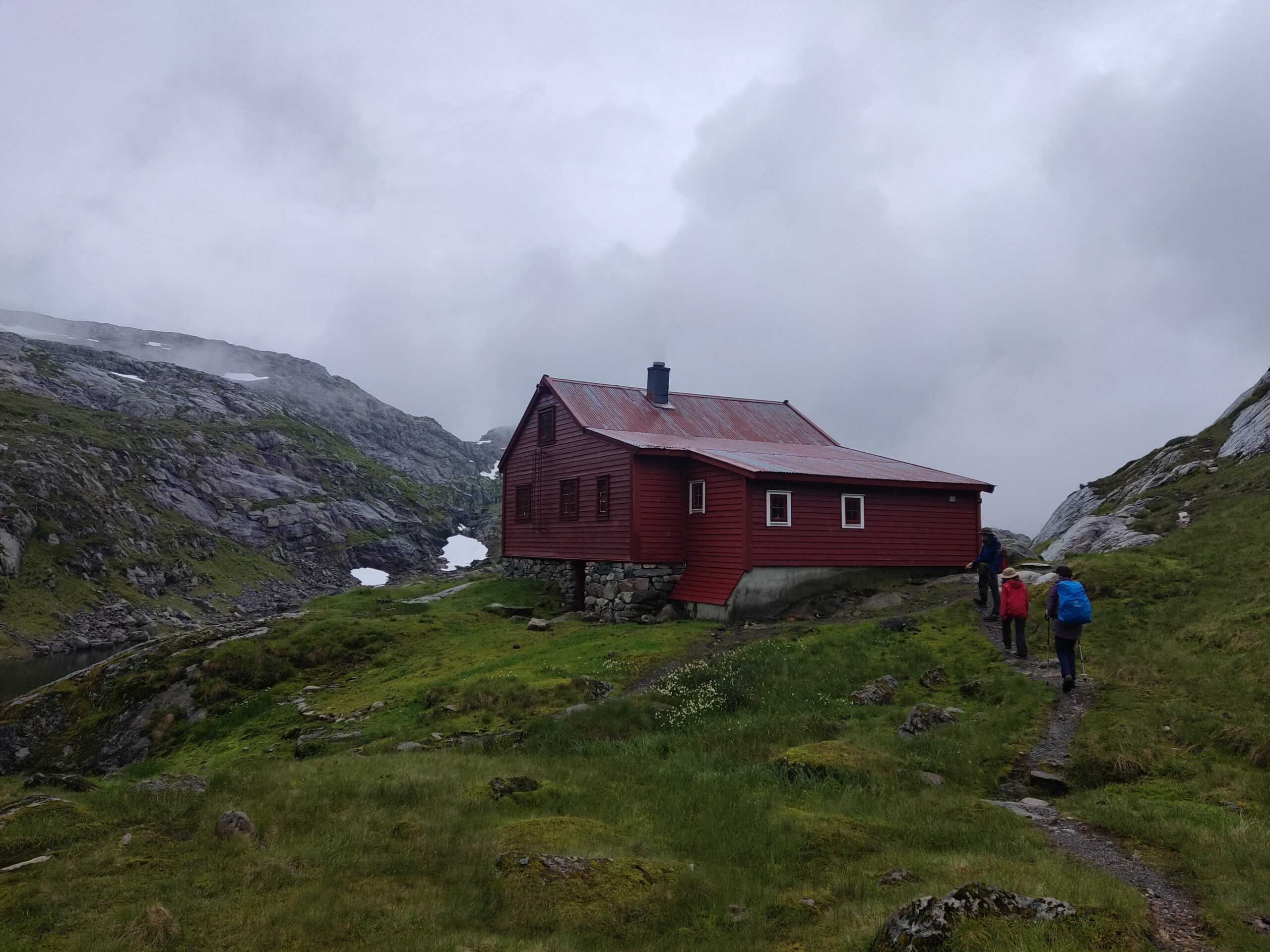
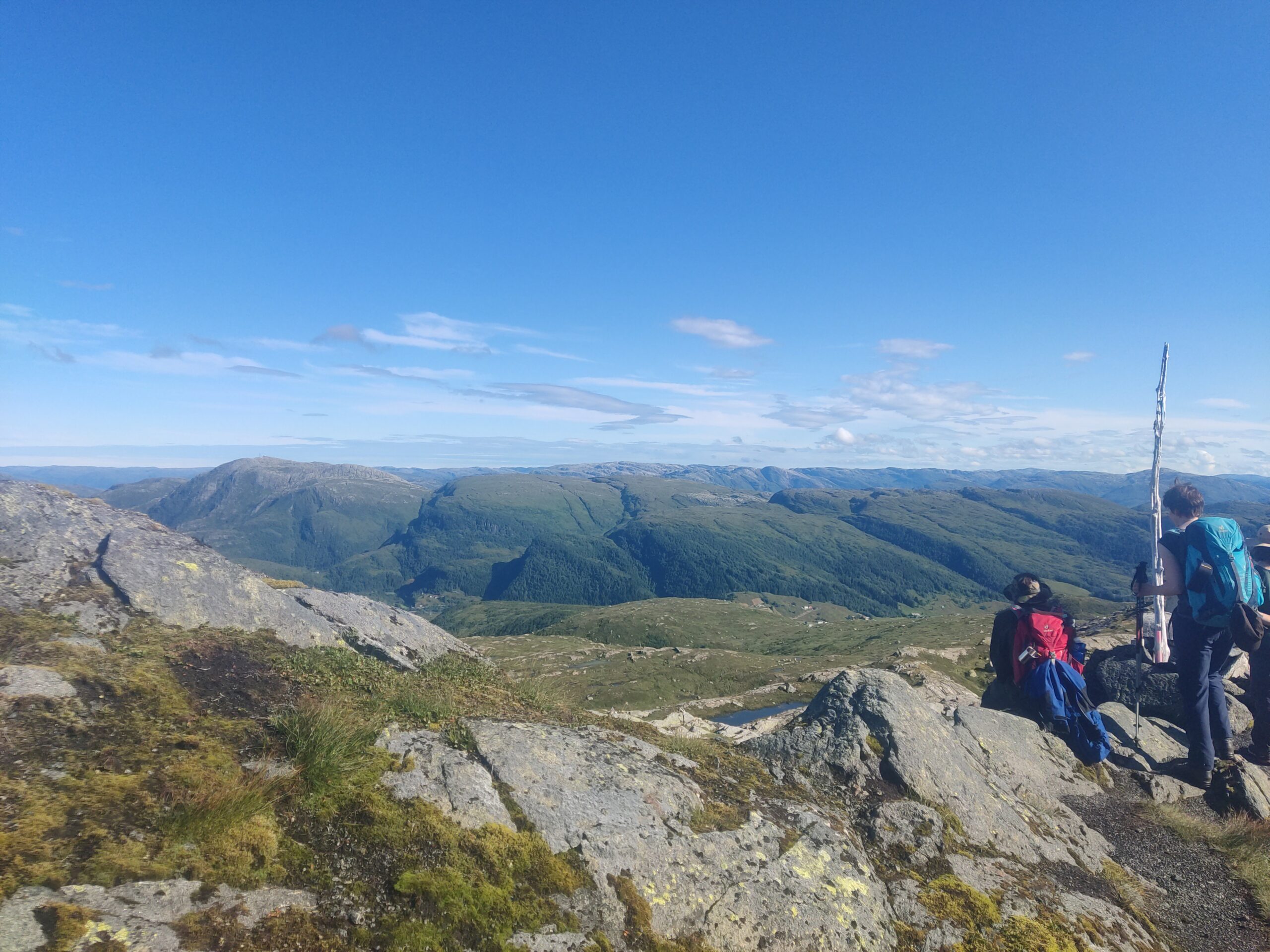
Happy to be away from the daily routine for a while, spending time with my family. Days are spent hiking, fishing, more hiking and enjoying the terrific and scenic landscapes.

Am Wochenende war es wieder soweit, der obligatorische Bartvergleich. Noch 6 Tage, dann darf wieder rasiert werden!
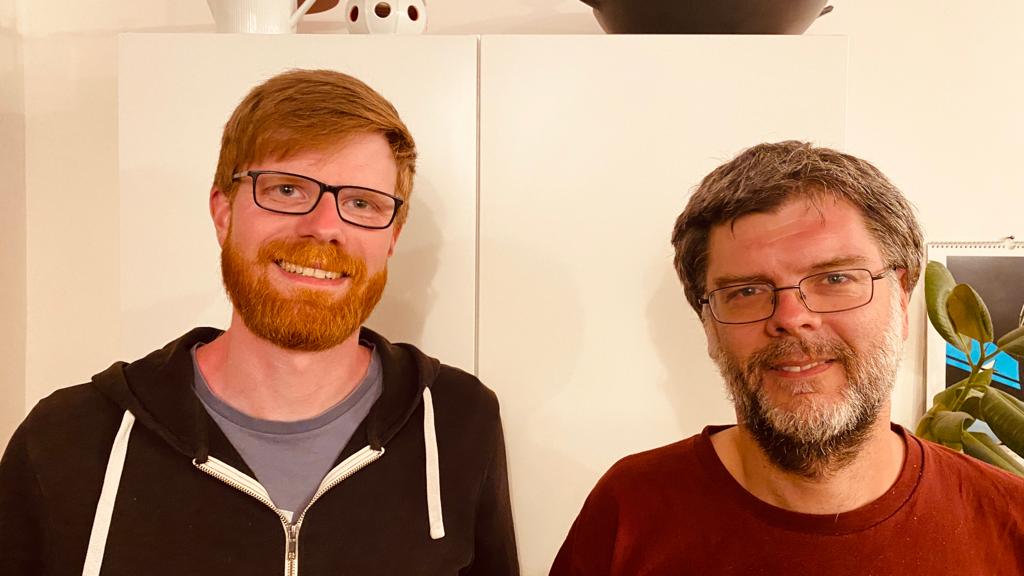
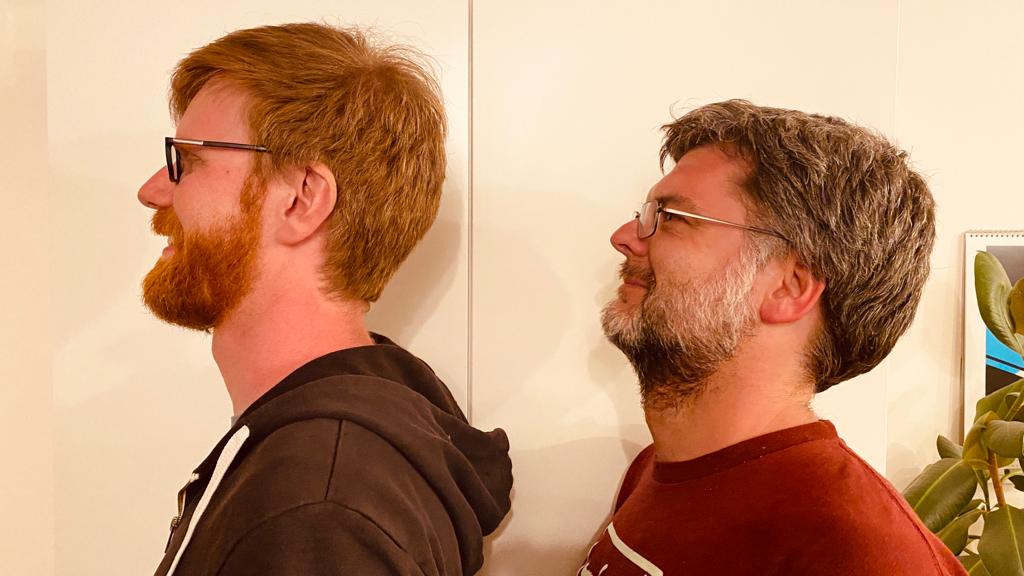
Theresa und Thiemo kamen am Wochenende vorbei und wir haben einen Bartlängenabgleich gemacht. Sonntag früh in der Fischauktionshalle!
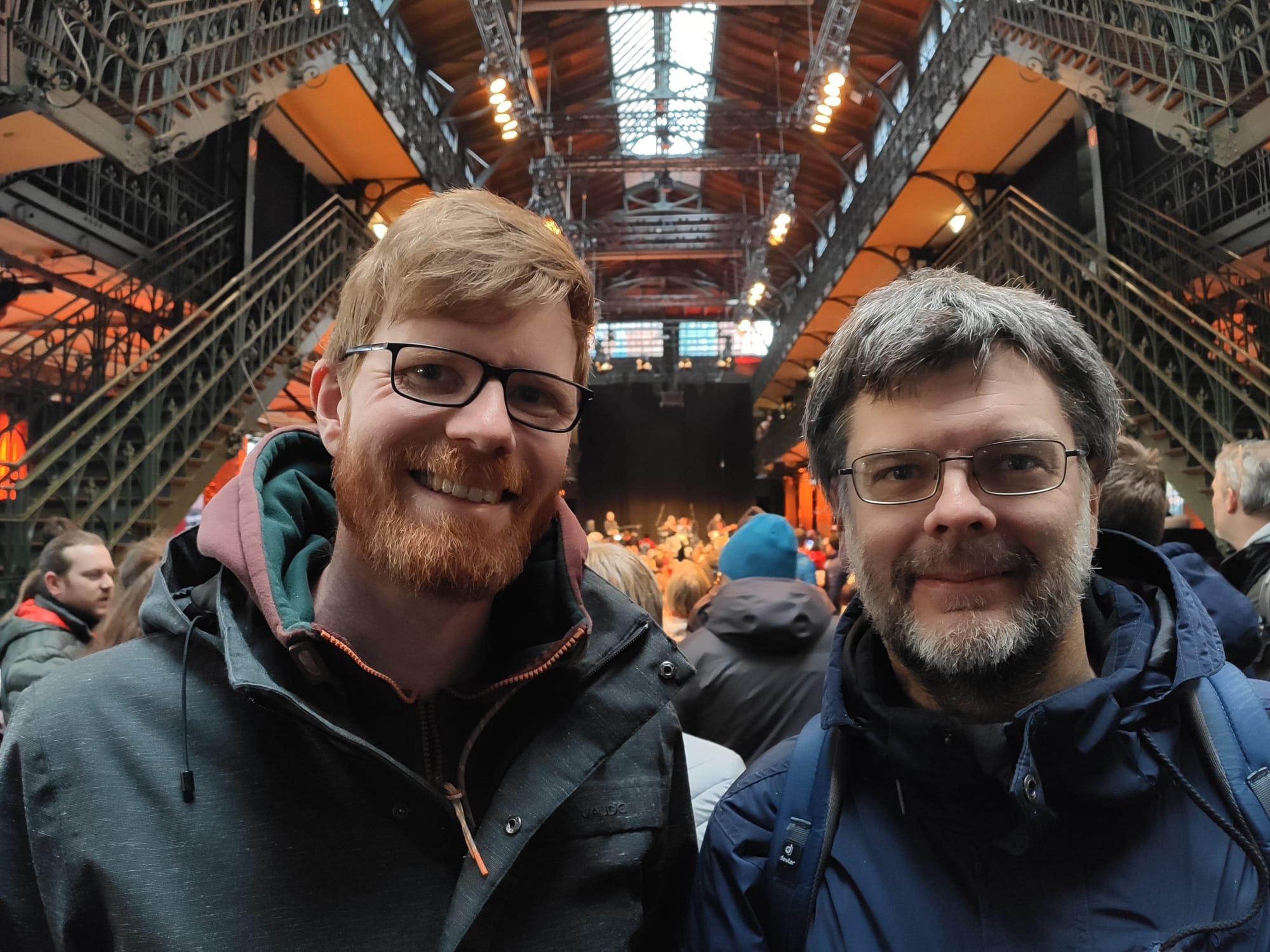
Und was haben wir vorher unternommen? Holy Moly & The Crackers! YES!
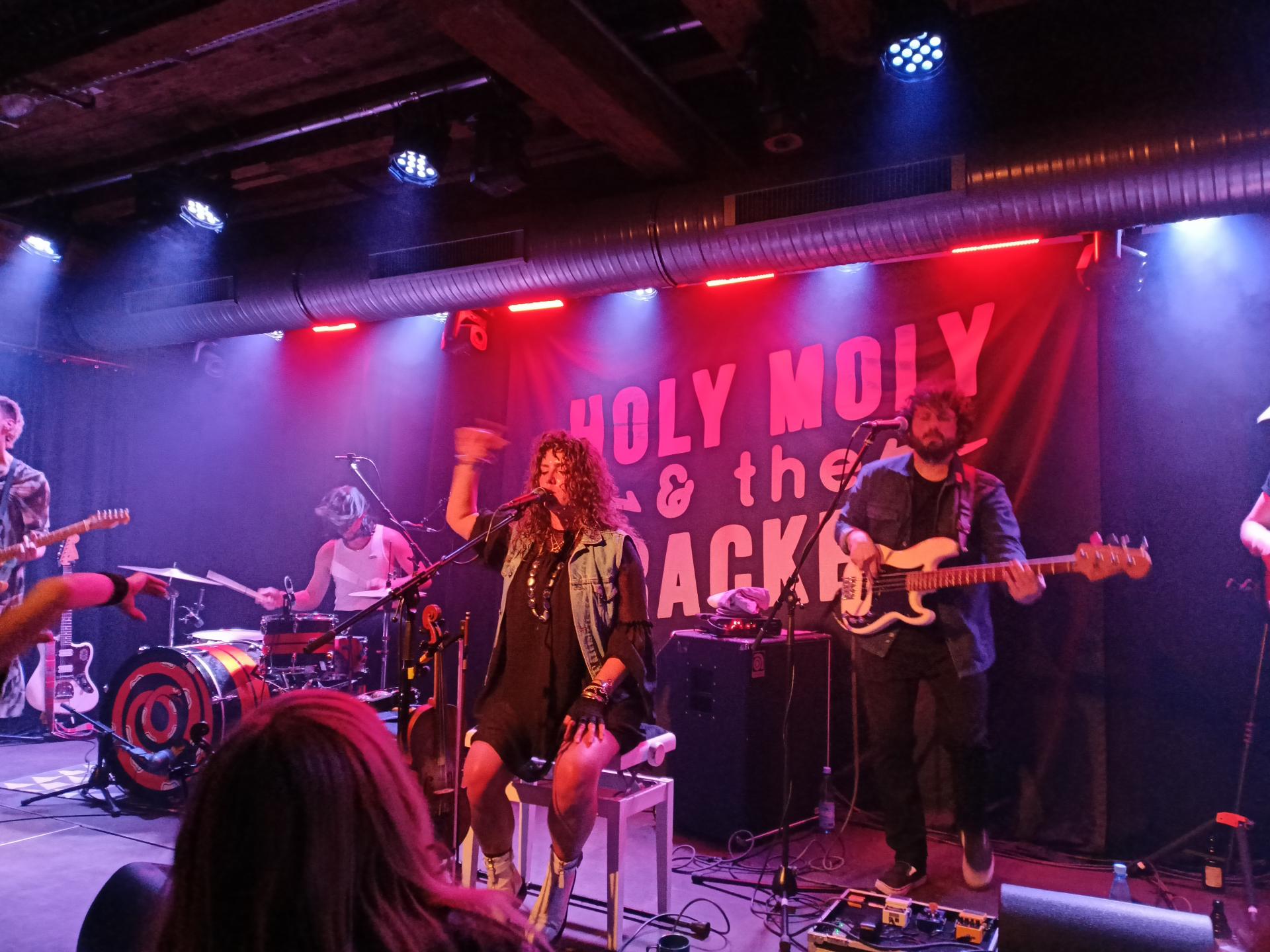
Nachdem Almut die Sponsorenschaft für einen Bart verweigert (sie zahlt nur für die Rasur), bin ich bisher mein einziger Sponsor für den Movember. Stand heute ist folgendermassen:
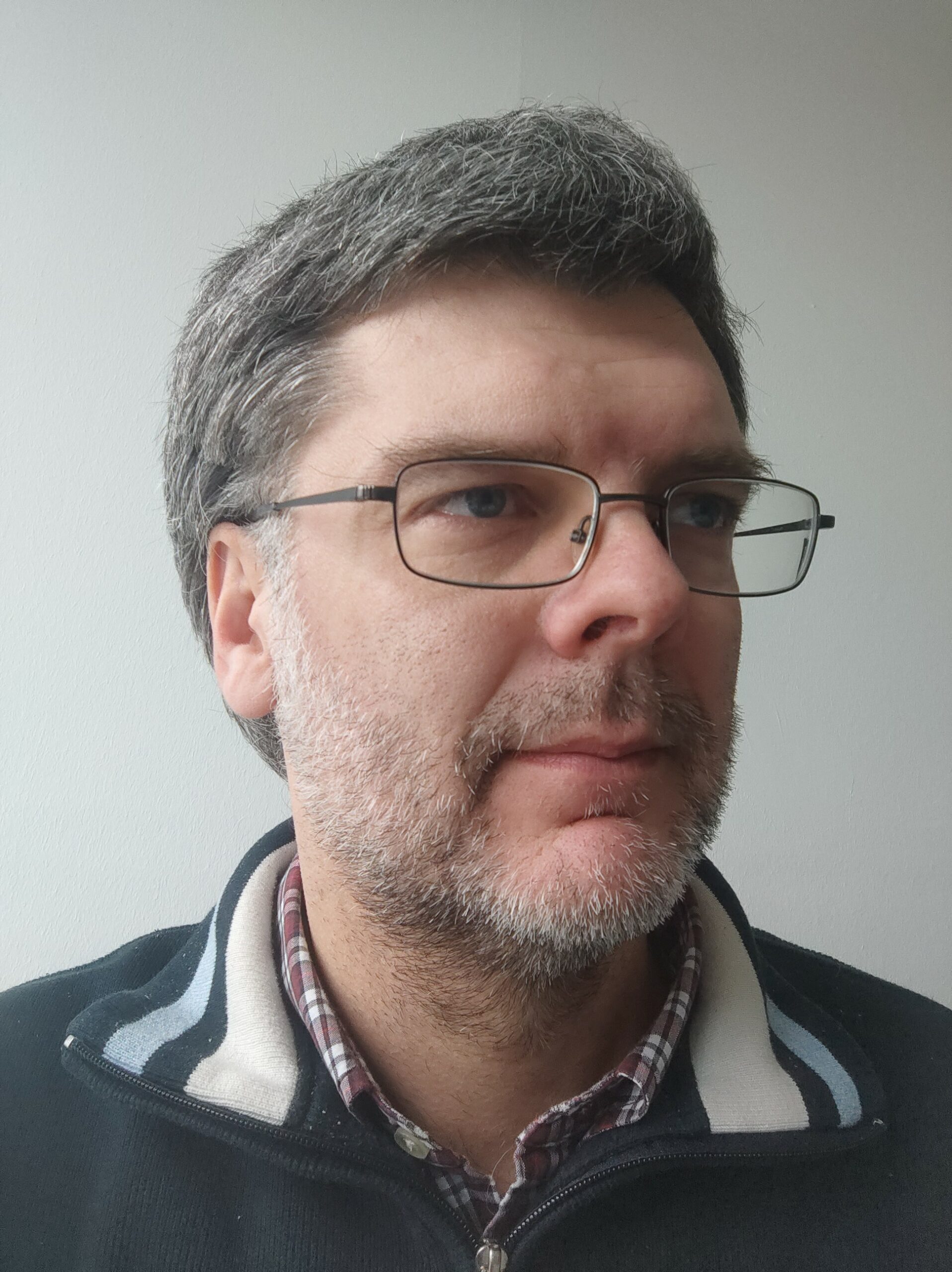
Und heute hat mich eine Studentin angesprochen, dass mir der Bart stünde. Es geht weiter. Thiemo ist auch noch mit dabei, ich werde seinen Vorsprung schon noch einholen.
Thiemo and I agreed to not shave in April for a good cause. We have not worked out the details (like where to donate to and where the money actually comes from), but I will be looking weird in April. This is the start as of today:
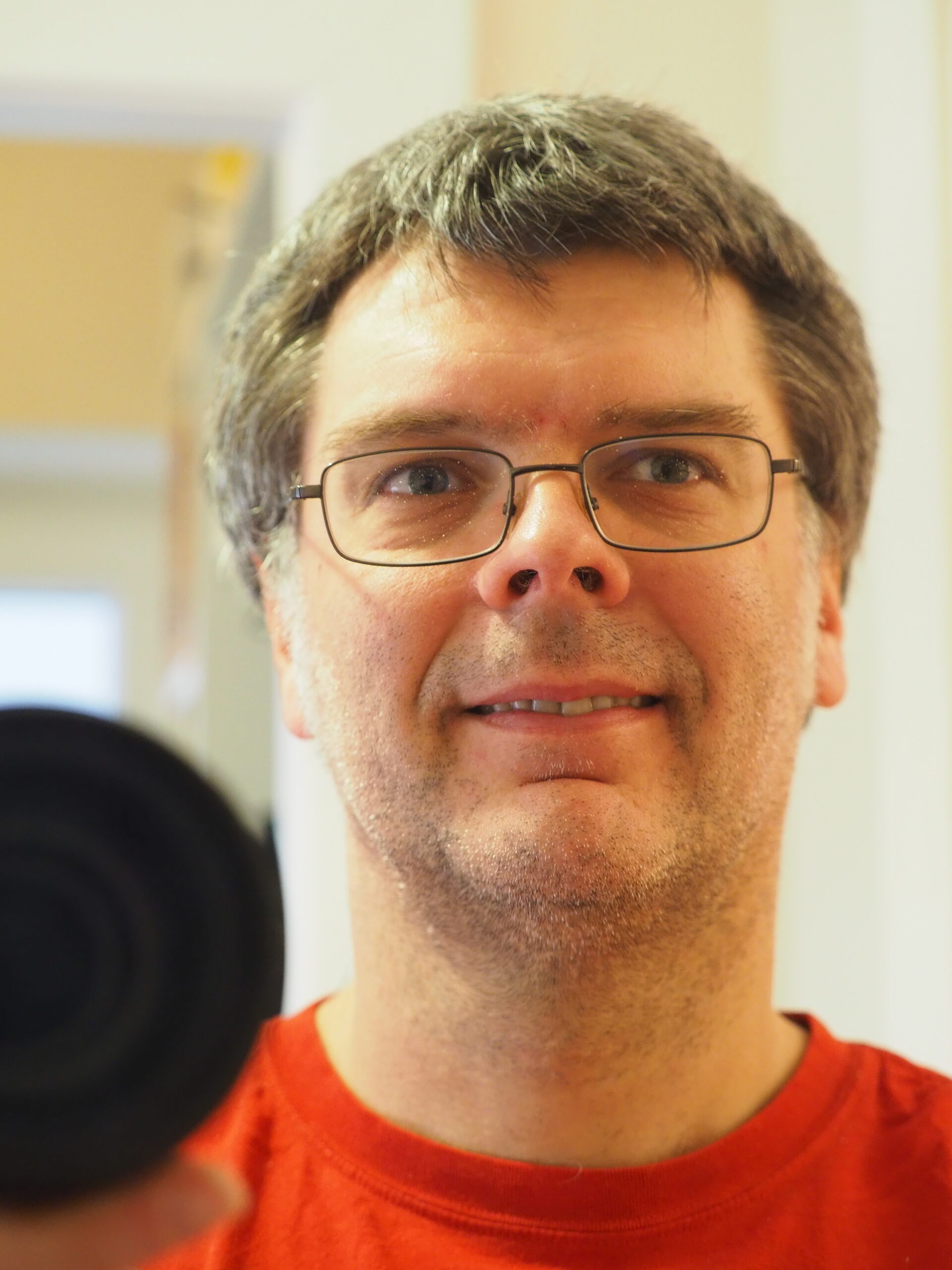
Ich habe als Teenager mal gelernt wie man analoge Fotos entwickelt (Hallo Karsten Bandlow!). Und auch in der Schule haben wir die Dunkelkammer benutzt, allerdings nicht immer auf die Art und Weise die unser Kunstlehrer bevorzugt hätte.
Und jetzt, wo Oliver die alte Zeiss-Icon geschenkt bekommen hat, mussten wir das Ganze doch mal ausprobieren. Eine alte Dunkelkammer haben wir auf nebenan.de auf Anfrage sofort geschenkt bekommen (wir haben sogar fast 3 Dunkelkammern innerhalb eines Tages angeboten bekommen). Dann hat doch alles etwas länger herumgelegen als gedacht, aber heute war es soweit. Wir hatten vor einiger Zeit ein paar Filme mit der Kamera verknipst, die Filme selber entwickelt (AUFREGEND!), und heute Papierabzüge hergestellt.

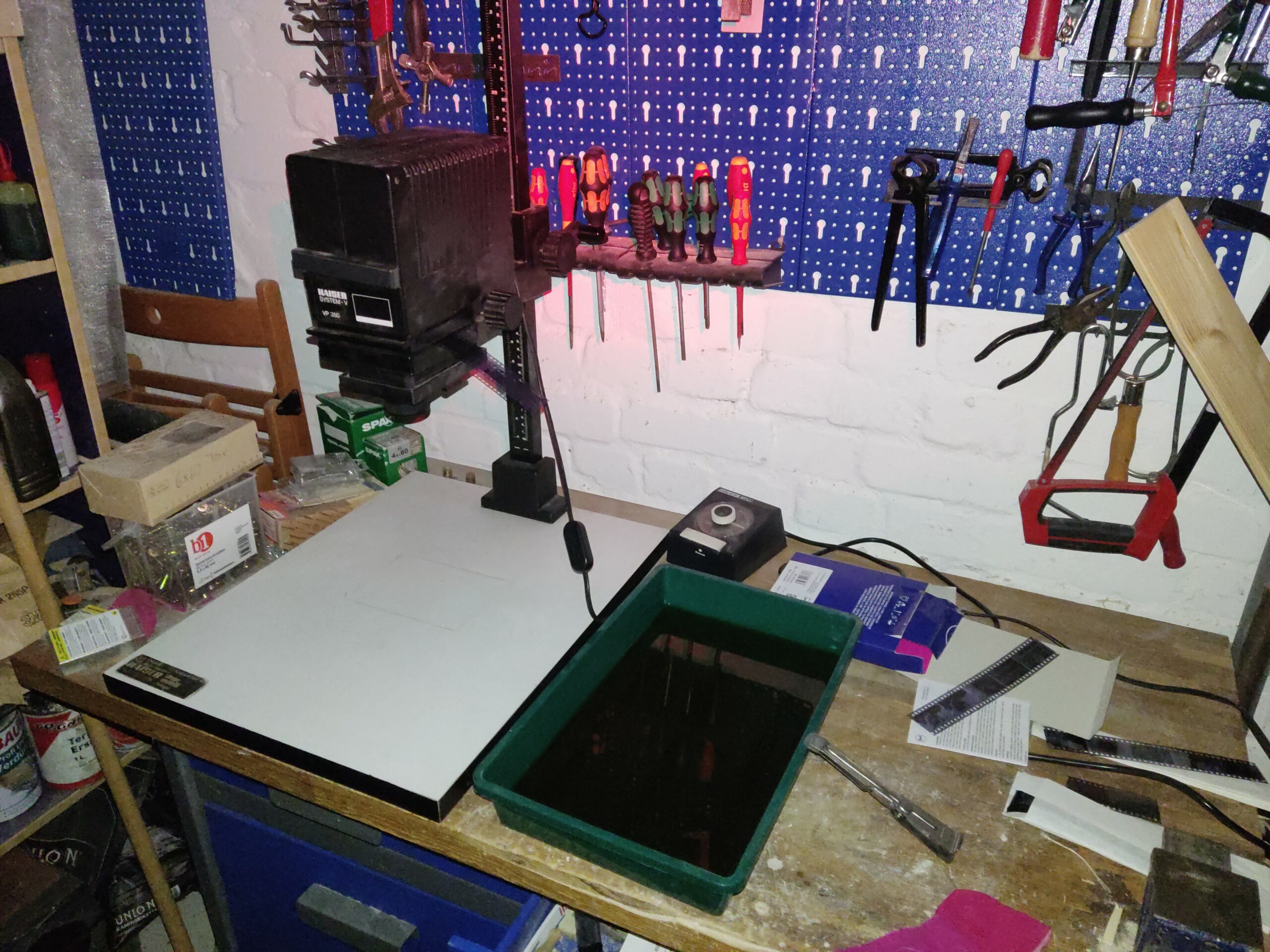
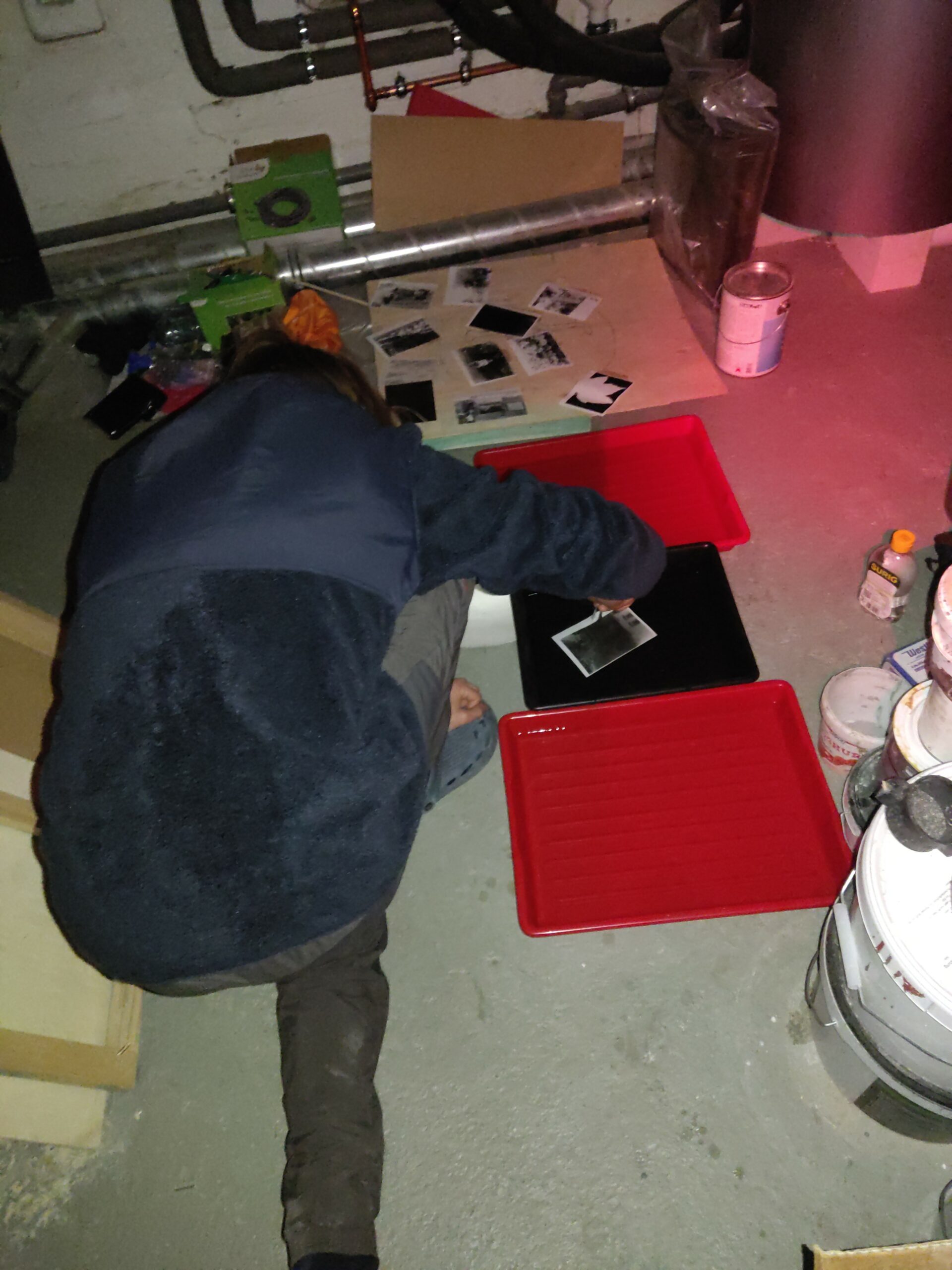
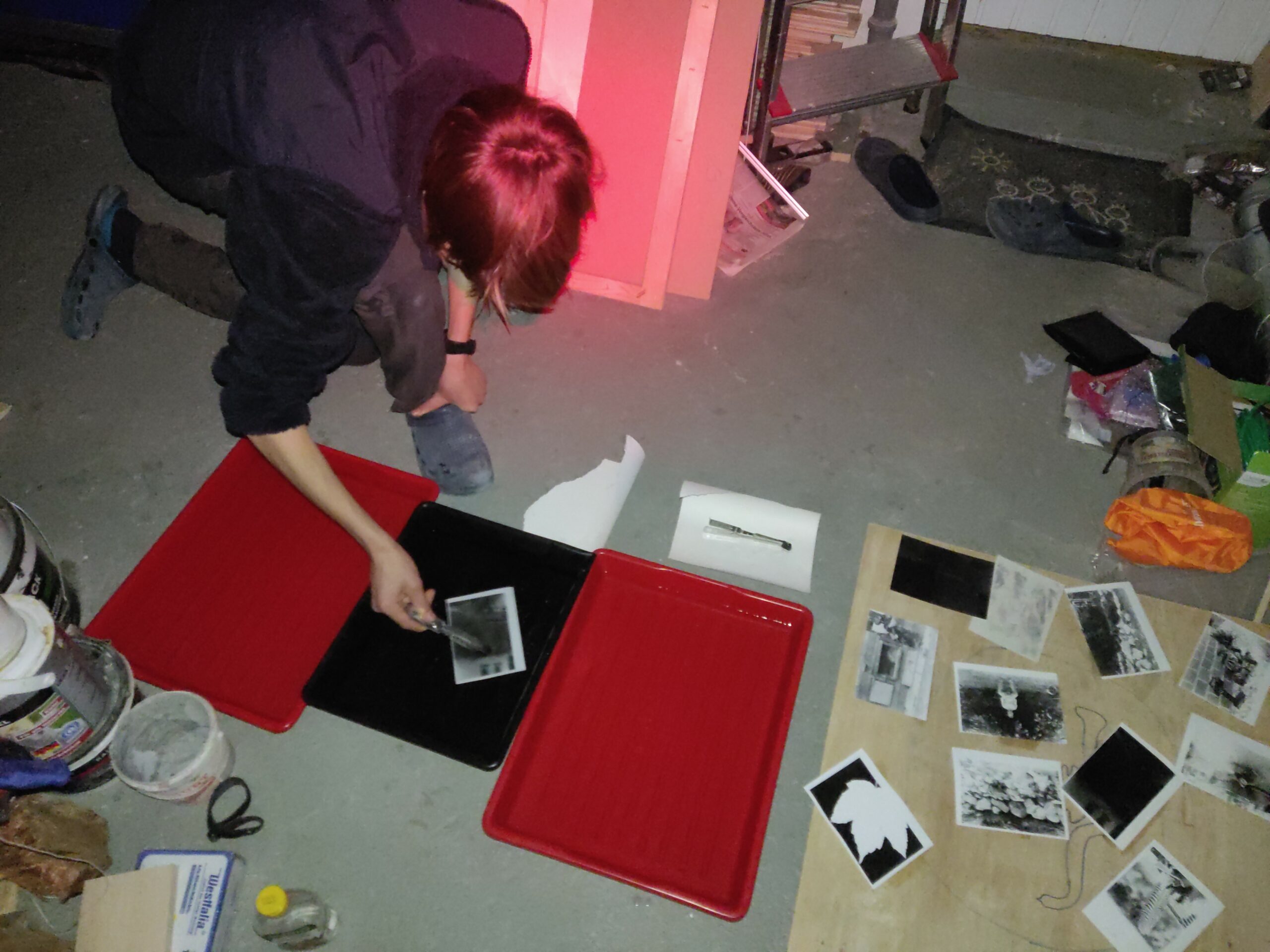
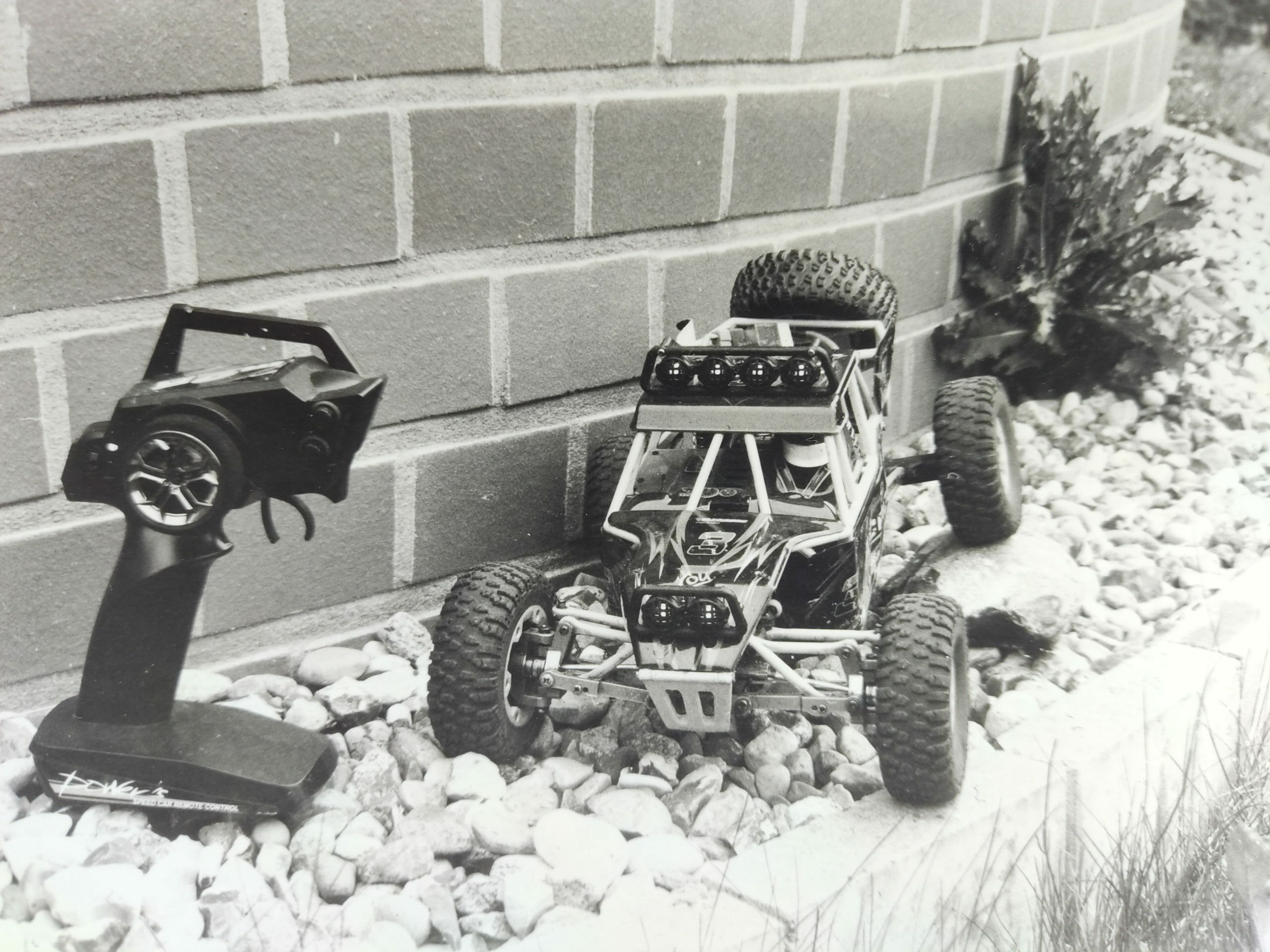
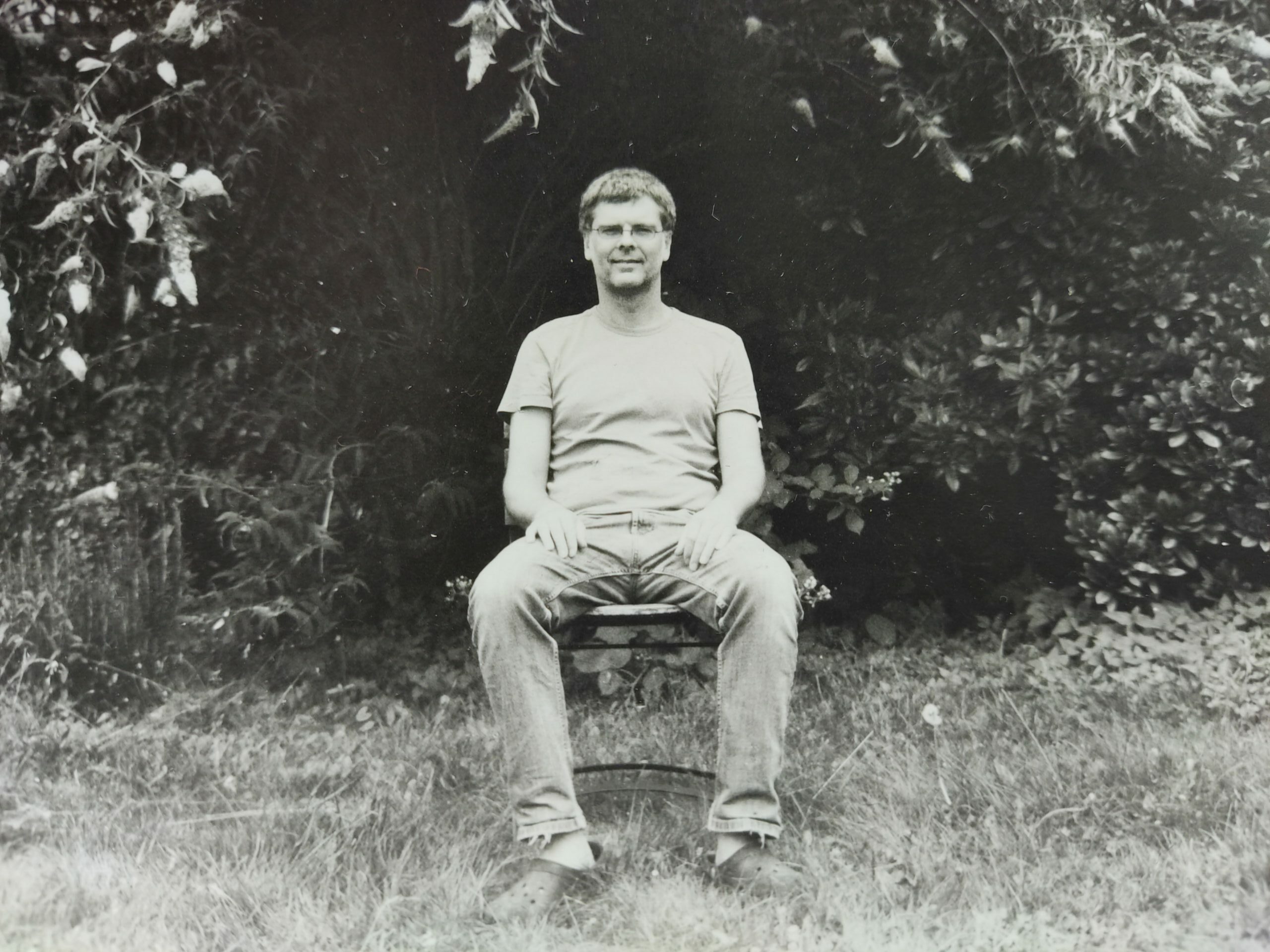
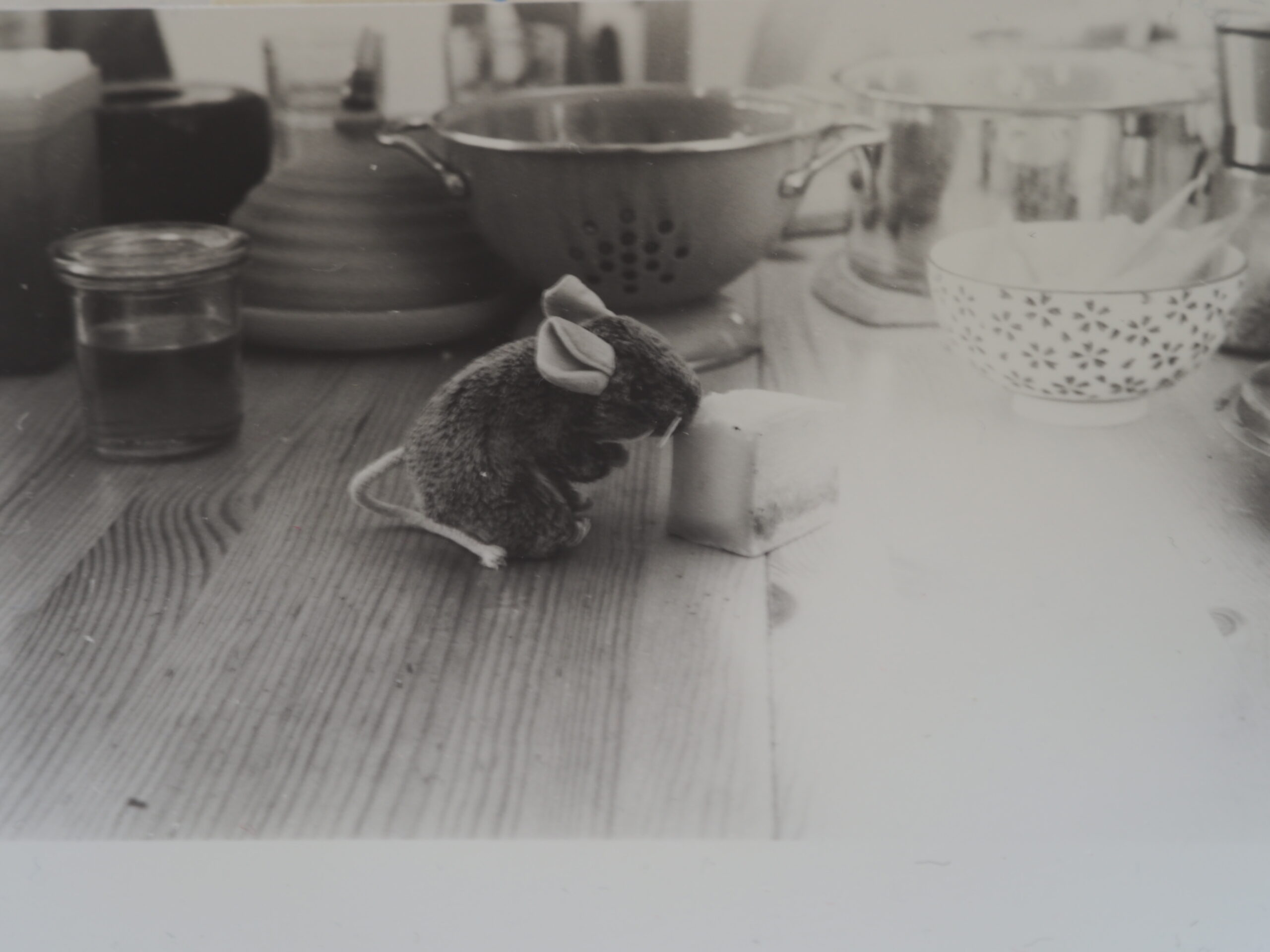

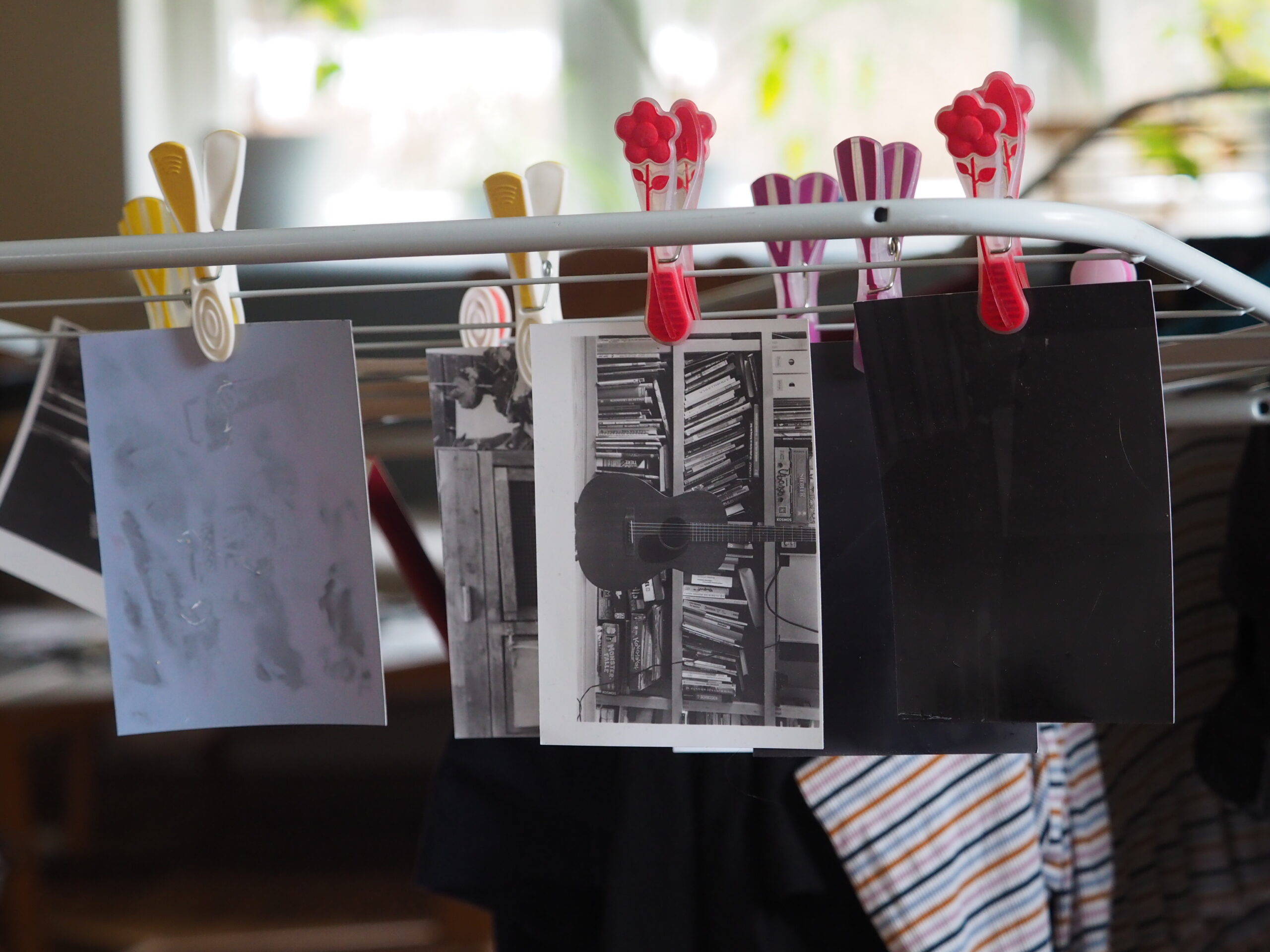
Das Ganze war ziemlich spannend und nach ein paar Versuchen ging es ziemlich gut. Wir haben dier ersten 16 Bilder entwickelt. Und Oliver und Johanna wissen jetzt jedenfalls wie man Bilder auf die altmodische Art herstellt.